
From Underground to Online: How Smart Diagnostics and IoT Are Transforming Sewer Maintenance

sewer relining

Every year, cities lose millions due to undetected leaks, pipe corrosion, and inefficient sewer maintenance. What used to require digging up roads and guesswork now relies on smart technology. The integration of Internet of Things (IoT) devices, advanced cameras, and data analytics is revolutionizing how plumbing companies detect and repair underground issues. Sewer systems that once operated in silence are now speaking volumes through real-time data.

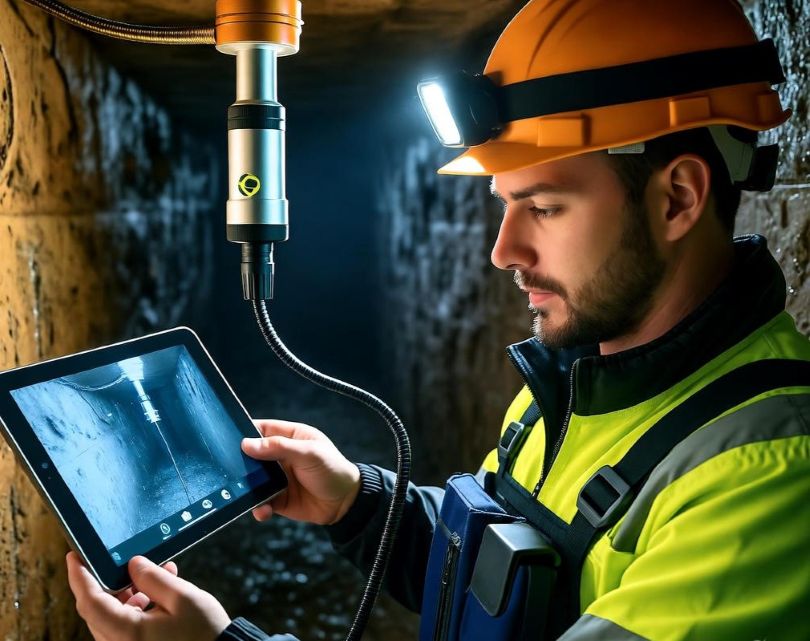
Companies like Riool Herstel are leading this transformation with technologies that simplify complex repair work. Using methods such as sewer relining (relinen riool), they can fix underground pipes without excavation. This technique, paired with IoT sensors and camera inspections, allows teams to identify the source of a blockage or crack instantly. What once took days of manual inspection now happens in a matter of hours, saving both time and cost for homeowners and municipalities.

The Rise of Smart Sewer Diagnostics

Traditional sewer maintenance used to depend on physical inspections and guesswork. Technicians had to rely on limited clues such as foul odors or slow drainage to locate a problem. Now, high-resolution cameras and robotic crawlers are changing that. They travel deep into sewer lines, transmitting live footage to surface-level operators. This technology gives companies precise visuals of cracks, leaks, or root intrusions before any repair begins.

The next evolution is data analytics. Once images and readings are captured, software tools analyze them for patterns. Algorithms can predict where future damage might occur, helping maintenance teams plan proactive interventions. By combining these insights with digital records, companies are creating smarter, more reliable sewer systems that practically maintain themselves.

How IoT Connects the Underground Network

The Internet of Things has expanded far beyond smart homes and wearable devices. It now connects infrastructure at the city level, including water and sewer networks. IoT sensors can monitor flow rates, pressure changes, and temperature fluctuations in real-time. When an anomaly occurs, the system sends alerts to technicians instantly. This ensures rapid response and prevents small issues from turning into expensive repairs.

For companies using sewer relining techniques, IoT integration enhances precision and safety. Technicians can monitor cured-in-place lining temperatures, resin curing progress, and material stress levels during the repair process. Each sensor reading becomes part of a digital maintenance record that tracks pipe health over time. This data-driven approach allows for continuous improvement in both service quality and environmental sustainability.

From Manual Labor to Digital Precision

Smart diagnostics have reduced human error and increased efficiency. Remote-controlled tools equipped with sensors and cameras mean fewer workers need to enter hazardous environments. Instead of relying on intuition, decisions are made based on data. The result is faster repairs and safer working conditions for maintenance crews.

One technician from Riool Herstel described the process as “giving pipes a voice.” Each pipe section communicates through data, revealing its health status and potential weaknesses. This transparency improves coordination between departments and helps cities build predictive maintenance schedules. It is a shift from reactive problem-solving to preventive planning.

Environmental and Economic Benefits

Technology-driven sewer maintenance also contributes to sustainability goals. By identifying leaks early, water waste is reduced. The relining method prevents the need for full pipe replacement, minimizing the carbon footprint of construction and disposal. Municipalities save on infrastructure costs while extending the life of existing systems.

Digital monitoring also supports compliance with environmental regulations. Continuous data logging ensures that wastewater treatment systems remain within legal parameters. This creates a cleaner, safer ecosystem for both communities and natural waterways.

The Future of Sewer Maintenance

As cities expand, the demand for efficient underground infrastructure grows. IoT and smart diagnostics will continue to evolve, incorporating artificial intelligence to predict failures before they happen. Augmented reality tools could soon assist technicians by overlaying digital schematics onto real-time visuals of the sewer network. The future of sewer management is no longer about digging but about data.

The evolution from manual work to digital insight shows how innovation can thrive even beneath our feet. With methods like sewer relining leading the way, companies such as Riool Herstel demonstrate how IoT and smart diagnostics can turn a hidden infrastructure into an intelligent, self-monitoring system. This fusion of technology and craftsmanship is redefining how cities stay clean, connected, and prepared for the future.
From Scrub Brushes to Software: How Tech Is Changing Tile Cleaning Services

cleaning schedule app

Tile cleaning has always been a hands-on job, involving scrub brushes, chemicals, and a lot of elbow grease. For decades, homeowners and businesses relied on manual labor to maintain sparkling floors. Today, technology is reshaping this industry, transforming ordinary cleaning providers into smart, service-oriented businesses that anticipate customer needs.

Digital tools are at the heart of this transformation. Companies offering tile cleaning services are now using online booking systems to streamline appointments, allowing customers to schedule services at any time of day. Businesses can also learn more about how to establish a cleaning business website to improve their online presence and attract more clients. This convenience eliminates long phone calls and scheduling conflicts, and it gives businesses the ability to manage staff more efficiently. Online reviews also play a critical role, helping potential clients choose providers based on past experiences rather than word-of-mouth alone.

Smart Scheduling and Customer Engagement

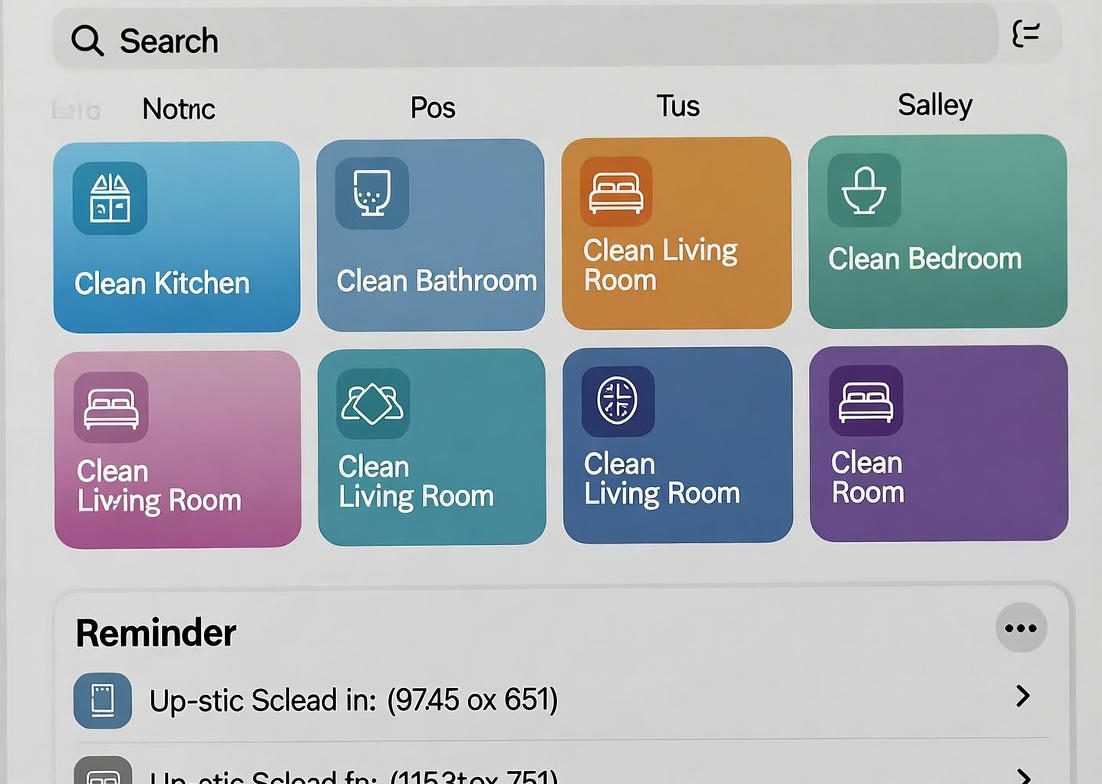
Online booking platforms give cleaning companies more than just calendar control. They allow for automated reminders, follow-ups, and real-time updates. Customers receive notifications about upcoming appointments, and businesses can track repeat clients to offer loyalty incentives. This level of engagement was nearly impossible a decade ago and now positions cleaning companies as proactive service providers rather than reactive responders.

Artificial intelligence is another game-changer. AI-driven maintenance reminders analyze customer patterns and floor usage to suggest when cleaning is due. This predictive approach ensures that tiles remain in top condition, preventing stains and long-term damage. Customers appreciate this foresight, as it saves time and money while maintaining cleanliness standards consistently.

The Role of Reviews and Reputation Management

Online reviews have become the new word-of-mouth marketing. Positive feedback on social media and review sites directly influences consumer choices. For tile cleaning services, showcasing a strong track record of results and professionalism online builds trust instantly. Many businesses now respond to reviews to demonstrate accountability and care, turning feedback into a powerful marketing tool that strengthens client relationships.

Efficiency and Resource Management

Technology has also improved the operational side of cleaning. Inventory management systems help track cleaning supplies, reducing waste and ensuring that crews are always prepared. Mobile apps allow staff to access customer history, job requirements, and safety protocols while on the go. This integration reduces errors, boosts efficiency, and supports a more seamless service experience for clients.

Data collection through software is becoming vital. Businesses can analyze which areas need frequent cleaning, which products are most effective, and how schedules can be optimized. This data-driven approach increases performance and customer satisfaction, turning what was once a purely physical service into a strategic, technology-driven operation.

The Future of Tile Cleaning

As the industry continues to adopt technology, customer expectations are evolving. People want services that are fast, reliable, and easy to access. The rise of smart home integration may even allow cleaning alerts and scheduling through home assistants. Companies embracing these tools are likely to outperform competitors still relying solely on traditional methods.

The shift from scrub brushes to software is more than just convenience. It reflects a broader trend of professionalization and digital transformation. Tile cleaning services that leverage technology create better experiences for customers, streamline operations for staff, and gain a competitive edge. By combining traditional expertise with modern tools, the industry is poised to offer smarter, faster, and more reliable solutions for maintaining spotless spaces.

Ultimately, technology is redefining what customers expect from cleaning providers. Businesses that adopt digital booking, AI-driven maintenance, and online reputation management are setting a new standard. The evolution from purely manual labor to intelligent service platforms proves that even the most hands-on industries can benefit from innovation.

For homeowners and businesses seeking efficient, reliable, and modern solutions, exploring tile cleaning services that embrace technology can make a significant difference.

Your Guide to Getting Leads with Content That Converts

Having exceptional products or services is merely the start in today’s digital world. You also need a plan for how to reach the right people and encourage them to go from being enthusiastic to doing something. That’s when content advertising comes in. You don’t use aggressive sales tactics instead, you provide individuals with useful knowledge that makes them trust you. This strategy will bring in potential clients and help you transform them into real leads if you do it effectively. Let’s talk about how to make content that works.


Write to Get Leads


Talk That Connects

Think about the type of consumer you want to attract and what problems they want to solve. What do they want to know? Your content should be on how to help them. Make sure that your blog post or how-to video answers their questions. This kind of helpful information indicates that you know what they need and creates trust. It also makes you stand out from other people who are just selling.


Make Interest into Action

Once you have useful material, tell your audience what to do next. Add unambiguous calls to action that inform them what to do right away. Ask them to join up for updates, download a guide, or use a free resource. Give them something worthwhile in return for their email. These easy steps turn a casual visitor into a real lead.


Final Statements

Content advertising is more than just writing, it’s also about recognizing who your audience is and delivering them what they want. Making material that matters and showing people what to do next could help you attract their attention and trust. This strategy helps you build long-lasting connections with your audience. They begin to see you as more than just a salesperson as when people trust you thus, they will return, and tell their friends about you, and become long-term clients.