
Recreational vehicle owners constantly seek budget-friendly protection solutions for their investments without compromising on quality or durability. Affordable RV covers with free shipping have become increasingly popular among cost-conscious travelers who want comprehensive protection without breaking the bank. Many manufacturers now include complimentary shipping as a standard offering to attract customers, making these covers even more attractive to budget-minded RV owners.
The combination of affordability, quality construction, and shipping convenience has revolutionized how people approach vehicle protection, similar to how technological advances continue transforming our digital communication landscape at unprecedented speeds. The evolution from 4G to 5G wireless technology represents one of the most significant leaps in mobile communication history. This transition brings unprecedented speed improvements that fundamentally change how we interact with digital content, streaming services, and online applications across various platforms and devices.
Understanding 5G Speed Capabilities and Network Performance
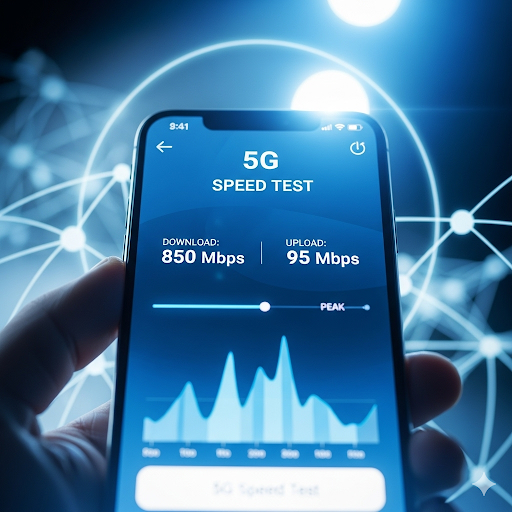
5G wireless networks deliver theoretical maximum speeds reaching up to 10 gigabits per second under optimal conditions with minimal latency interference. This represents a dramatic improvement over fourth-generation networks, which typically peaked around 100 megabits per second in real-world scenarios under ideal circumstances.
The enhanced speed enables users to download entire movies, large software applications, and high-resolution content in seconds rather than minutes or hours. Advanced antenna technologies and improved signal processing contribute to these remarkable speed improvements that were previously impossible with older network infrastructures.
Real-World Performance Differences in Various Environments
Practical 5G speeds vary significantly depending on location, network congestion, device capabilities, and infrastructure density in specific geographical areas.
Urban areas with dense infrastructure and multiple cell towers often experience speeds between 100-400 megabits per second during peak usage times, while rural regions with limited infrastructure may see more modest improvements compared to existing 4G networks.
Fourth-generation networks generally provide consistent speeds between 20-50 megabits per second in most locations across different regions, creating a noticeable but not always dramatic difference in everyday usage patterns for typical consumer applications. Weather conditions, building materials, and physical obstacles can also impact actual performance measurements compared to advertised theoretical maximums.
Network Infrastructure Requirements and Investment Challenges
The deployment of 5G technology requires substantial infrastructure investments from telecommunications companies across multiple market segments and geographical regions. Cell towers must be upgraded with new equipment, specialized antennas, and advanced processing capabilities to support the increased data throughput and reduced latency requirements.
Additional small cells need strategic installation throughout coverage areas to maintain signal strength and coverage density in high-traffic locations. This infrastructure overhaul represents billions of dollars in investment across the telecommunications industry, contributing to the gradual rollout timeline experienced across different markets and regions worldwide.
Applications Benefiting from Enhanced Speeds and Lower Latency
High-speed 5G networks enable previously impractical applications to become mainstream consumer technologies. Virtual reality streaming becomes seamless and immersive, allowing complex experiences without lag, buffering interruptions, or quality degradation that plagued earlier network generations.
Autonomous vehicles can communicate with traffic systems, other vehicles, and infrastructure components in real-time, improving safety protocols and traffic efficiency on roadways and highways. Telemedicine applications benefit from crystal-clear video consultations, instant data transmission between medical facilities. Gaming applications experience reduced lag times, enabling competitive online gaming and cloud-based gaming services that were previously limited by network performance constraints.
 Chewing Gum and FastCampus are common in pragmatic digital courses in data, codifying, and selling.
 The auto repair industry has experienced a significant transformation thanks to the integration of internet technology. From diagnostics to customer service, technology has streamlined processes, improved accuracy, and enhanced convenience for both mechanics from autotronicspa and car owners.


 Moving from one place to another is not just about packing boxes and hiring trucks. The role of internet technology in relocation services has revolutionized how individuals and businesses think about moving. This blend of technology and service by movers Greenwich CT has made relocating smoother, faster, and more reliable.
 The landscape of digital marketing has significantly evolved over the years, thanks in large part to advancements in internet technology. Today, a successful business is not merely about having an online presence; it’s about ensuring that your website is seen by the right people at the right time. This is where Search Engine Optimization (SEO) enters the scene. As the wheels that drive the vehicle of online visibility, SEO and internet technology are integral parts of any successful digital marketing strategy.
 Drug addiction is a complex problem that affects millions of people worldwide. While traditional methods of Drug rehab have been effective, technology is now playing an increasingly important role in helping individuals overcome addiction. Internet technology, in particular, is revolutionizing drug rehab in a number of ways.


 Technological literacy (technology literacy) means having capability to know, understand, assess, use and manage technology. It can also relate to digital literacy, the knowledge and skills one must have to effectively and efficiently utilize digital devices, like being familiar with smartphones and computers for
  Internet Technology – Technology And Digital Literacy Beyond “What Is”
 The internet has made numerous things possible as well as made a lot of aspects in people’s lives much easier. E-commerce platforms, for instance, has made shopping a lot simpler and more convenient as people can do their shopping using their computer or smartphone. What’s more is that e-commerce has made a lot of products and services much more available and accessible to people across the globe.
 However, looking for the perfect gift for 11-year-old boys could be a challenge since at this pre-teen age, they have diverse interests and may tend to be a bit picky too. Fortunately, apart from e-commerce stores, there are also websites on the internet that offer consumers help by providing informative buying guides.