
Smart home technology is expected to surpass $230 billion in global market value by 2028, based on projections shared by Statista. Much of that growth focuses on security, lighting, and energy use, yet another area is quietly changing through innovation, home cleaning and maintenance. Sofas, carpets, curtains, and upholstered furniture are now being cared for with tools and systems that look very different from the traditional methods many households relied on for decades.
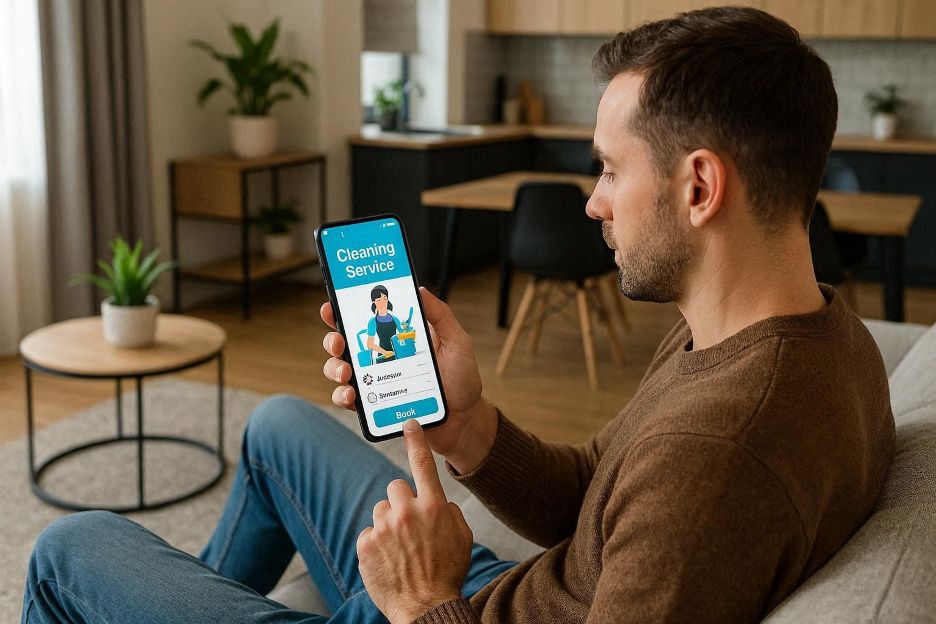
Digital convenience is shaping the way people manage their homes. Modern booking systems, automated reminders, and mobile service platforms now help homeowners organize maintenance tasks with far less effort. Services connected to Home interior organization (ترتيب المنزل من الداخل) are increasingly integrating scheduling tools, fabric care recommendations, and customer support through apps and messaging systems. These changes reflect a broader shift toward smarter and healthier living environments.
Cleaning Technology Has Moved Beyond Basic Tools
Vacuum cleaners and soap-based stain removers once defined household furniture care. Today, steam-powered systems, moisture-controlled extraction tools, and fabric-sensitive cleaning devices are becoming more common in homes and professional services alike. The shift is driven by greater awareness of indoor air quality and material preservation.
The Environmental Protection Agency has repeatedly noted that indoor pollutants can sometimes be more concentrated than outdoor pollutants. Dust mites, allergens, bacteria, and trapped moisture inside upholstery contribute to those concerns. As a result, many homeowners now view sofa cleaning as part of long-term home wellness rather than simple appearance maintenance.
Steam technology illustrates this evolution clearly. Unlike older methods that relied heavily on harsh chemicals, steam cleaning uses heat and controlled moisture to lift dirt and reduce bacteria. Experts from the International Sanitary Supply Association explain that heat-based cleaning systems can improve sanitation while lowering chemical exposure inside homes.
Fabric-specific treatment has also become more advanced. Velvet, linen, leather, microfiber, and synthetic blends all react differently to moisture and cleaning products. Applying the wrong method can damage color, texture, or durability. Modern equipment now includes adjustable pressure settings and moisture monitoring systems designed for different materials.
Data Is Becoming Part of Everyday Cleaning
Many cleaning services now rely on digital assessments before beginning work. Customers upload photos of furniture through apps or messaging platforms, allowing technicians to evaluate stains, fabric types, and cleaning needs before arriving on-site. This reduces trial-and-error decisions and improves efficiency.
Research published by McKinsey & Company shows that consumers increasingly expect personalized services powered by data and automation. Home maintenance businesses are responding by creating systems that match cleaning methods to furniture materials and usage patterns.
For example, heavily used family sofas may require deep extraction cleaning every few months, while decorative seating in formal living rooms may only need light maintenance. Some platforms even track previous appointments and recommend future schedules based on household conditions, pets, humidity levels, or the presence of children.
These systems are slowly changing the relationship between homeowners and maintenance services. Cleaning is becoming predictive instead of reactive. Rather than waiting until stains become visible or odors appear, people are using digital reminders and maintenance tracking to preserve furniture over time.
WhatsApp and On-Demand Services Are Changing Customer Expectations
Messaging applications now play a major role in household service management. WhatsApp, in particular, has become a practical business tool across many countries because it simplifies communication between customers and service providers.
Homeowners can request quotations, share photos, confirm appointments, and receive updates without making lengthy phone calls. This convenience reflects wider digital habits shaped by food delivery apps, ride-sharing services, and online shopping platforms.
PwC reports that speed and convenience strongly influence consumer trust in service industries. Home cleaning businesses have adapted by creating faster booking experiences that feel closer to modern digital commerce than traditional maintenance scheduling.
Same-day sofa cleaning appointments, digital payment systems, and live service tracking are becoming more common in urban areas. These features reduce friction for busy households that already manage work, education, and family responsibilities through smartphones.
Beyond convenience, these platforms create stronger transparency. Customers can compare reviews, review cleaning processes, and understand pricing before booking a service. Greater visibility into service methods has also increased public interest in the technology behind modern tile cleaning services, particularly as automation and smart equipment continue reshaping the home maintenance industry. This access to information encourages higher service standards and greater accountability.
Smart Homes Are Expanding Into Maintenance
Connected home systems originally focused on lighting, security cameras, and temperature control. Now, maintenance technology is beginning to enter the same ecosystem. Smart sensors and AI-based scheduling may soon become standard parts of home care management.
Several appliance manufacturers already offer robotic vacuum systems that map room layouts and adjust cleaning routes automatically. Industry analysts from Gartner suggest that predictive maintenance tools will continue expanding into residential spaces during the next decade.
Future upholstery care may involve moisture sensors embedded in furniture fabrics or air-quality monitors that recommend cleaning based on allergen levels. Smart assistants could notify homeowners when sofas require deep cleaning after periods of heavy use.
Artificial intelligence may also improve service recommendations. Instead of generic reminders, systems could analyze room conditions, local climate patterns, and household habits to suggest personalized maintenance plans.
A humid coastal environment, for example, may increase the need for mold prevention treatments. Homes with pets may receive more frequent reminders for odor-control cleaning. These systems would make household upkeep more preventive and organized.
The Human Side of Smart Cleaning
Despite rapid innovation, technology alone does not define the future of home maintenance. Human expertise remains central to quality care. Professional cleaners still need to understand textile behavior, stain chemistry, and proper sanitation methods.
Technology works best when it supports informed decision-making rather than replacing it entirely. A technician using advanced steam equipment still relies on practical experience to determine safe temperature levels for delicate fabrics.
Consumers are also becoming more selective about sustainability. Environmentally conscious households increasingly prefer services that reduce water waste and limit chemical use. The World Green Building Council has highlighted growing public interest in healthier indoor environments and sustainable living practices.
This shift influences purchasing decisions as much as convenience does. Many people want maintenance solutions that protect both their furniture and their living environment. Eco-friendly cleaning systems, reusable tools, and low-residue products are gaining attention because they align with broader lifestyle values.
The Future of Organized Living Spaces
Home maintenance is gradually becoming part of a larger digital lifestyle ecosystem. Scheduling apps, connected devices, and personalized service platforms are helping households manage cleanliness with greater precision and less stress.
Furniture care offers a strong example of how ordinary routines are changing through technology. What once depended mainly on manual labor and occasional deep cleaning now involves data analysis, mobile integration, and specialized equipment.
These developments are also influencing how people think about interior care. Organized living spaces are increasingly associated with wellness, efficiency, and long-term property preservation rather than appearance alone.
As innovation continues, homeowners may soon rely on intelligent reminders, automated service coordination, and predictive maintenance systems to manage household care more effectively. The process will likely become quieter, faster, and more personalized, blending seamlessly into daily life.
Technology is not replacing the importance of maintaining a comfortable home. Instead, it is making space management more informed and easier to sustain. Clean sofas, healthier air, and better-maintained interiors are becoming part of a smarter approach to modern living.