
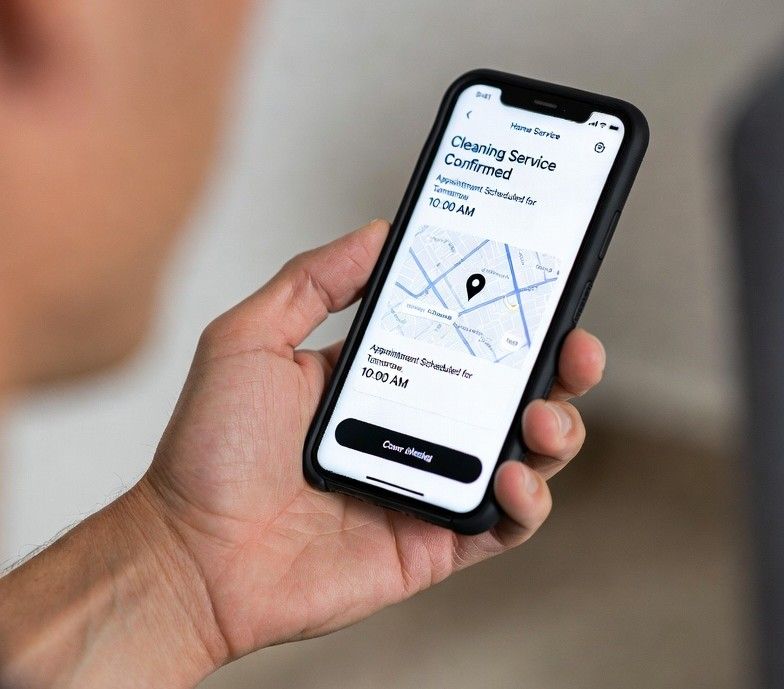
Mobile internet penetration in the Middle East has surpassed 70 percent in several urban markets, reshaping how residents access everyday services. Research from the International Telecommunication Union shows that smartphone usage continues to rise across Gulf and Saudi cities, making digital platforms a primary channel for booking home services. What once required phone calls, referrals, or in-person visits can now be completed in seconds through an app.
This shift is especially visible in fast-growing cities like Jeddah, where service providers are embracing digital tools to stay competitive. Many businesses offering professional cleaners in Jeddah have adopted online booking systems, WhatsApp communication, and automated scheduling to streamline their operations. Data from McKinsey & Company indicates that companies that digitize customer interactions can improve operational efficiency by up to 30 percent, a compelling incentive for traditional service providers to modernize.
The Rise of On-Demand Service Platforms
Convenience is driving the popularity of digital service platforms. Customers can now compare prices, read reviews, and book appointments within minutes. This level of accessibility has changed expectations. Waiting days for a service appointment feels outdated when same-day booking is often available.
Apps and websites designed for home services provide real-time availability, transparent pricing, and instant confirmations. These features reduce uncertainty for customers and help businesses manage demand more effectively. In cities with busy lifestyles, such as Riyadh and Dubai, this efficiency is no longer optional. It is expected.
Automation and Smarter Scheduling
Behind the scenes, automation is playing a major role. Scheduling software helps companies assign jobs, track staff locations, and avoid overlaps. This reduces human error and improves time management. As a result, service providers can handle more clients without increasing operational stress.
Experts at Deloitte note that workflow automation can significantly reduce administrative costs while improving service quality. For cleaning companies and similar businesses, this means fewer missed appointments and more consistent service delivery. Over time, these improvements build trust and customer loyalty.
The Power of Reviews and Local SEO
Digital visibility has become just as important as service quality. When customers search for home services, they often rely on search engines and map listings. Google reports that a large percentage of local searches lead to a service booking within 24 hours, highlighting the importance of strong online presence.
Customer reviews play a key role in this process. Positive ratings and detailed feedback influence decision-making, especially in competitive urban markets. A cleaning service with dozens of high ratings is more likely to attract new clients than one with little online activity. Many companies are also using social media to grow their service business, extending their reach beyond search engines and engaging directly with potential customers. This has encouraged service providers to actively manage their online reputation.
Search engine optimization, or SEO, also helps businesses appear in relevant searches. By optimizing their websites and listings, companies can reach customers at the exact moment they need a service. This targeted visibility is far more effective than traditional advertising methods.
Mobile Technology and Customer Communication
Communication has evolved alongside booking systems. Messaging platforms like WhatsApp are widely used for customer support in the region. They allow quick responses, easy sharing of location details, and real-time updates. For customers, this creates a more personal and responsive experience.
Mobile tools also enable notifications and reminders, reducing missed appointments. A simple alert can ensure that both the customer and the service provider stay on schedule. These small improvements add up, creating a smoother overall experience.
Why Technology Adoption Matters
Despite the benefits, adopting new technology requires investment and adaptation. Some traditional businesses hesitate due to costs or lack of technical expertise. However, the long-term advantages often outweigh these challenges.
PwC highlights that companies embracing digital transformation are more likely to achieve sustainable growth compared to those that delay adoption. In the home service sector, this growth comes from improved efficiency, better customer engagement, and increased visibility.
For service providers, the shift is not just about keeping up with trends. It is about meeting changing customer expectations. As more people rely on digital tools, businesses that fail to adapt risk losing relevance.
Looking Ahead
Technology will continue to shape the future of home services in Middle Eastern cities. Innovations such as AI-driven scheduling, predictive maintenance, and integrated service platforms are already emerging. These tools promise even greater efficiency and personalization.
Companies that offer residential cleaning and similar services are likely to benefit the most from these advancements. By combining skilled workers with smart technology, they can deliver faster, more reliable service. This balance between human expertise and digital support is becoming the new standard.
Ultimately, the transformation of the home service industry reflects a broader shift toward convenience, transparency, and efficiency. As cities grow and lifestyles become busier, the demand for quick and reliable solutions will only increase. Businesses that embrace digital tools today are better positioned to meet that demand tomorrow.
